
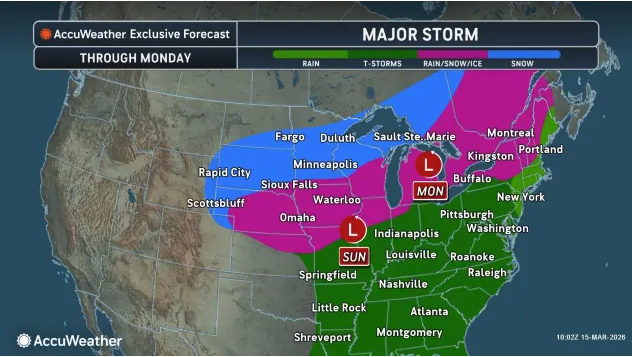
Another significant winter storm is moving into Michigan today, and the state’s electric cooperatives are activating a coordinated statewide preparedness effort ahead of its arrival.
Current forecasts call for heavy snowfall, strong winds, and rapidly dropping temperatures over the next 48 to 72 hours. Snowfall rates of up to 3 inches per hour and wind gusts of up to 60 mph are possible in some areas, with temperatures falling from the 50s today to the teens by Monday evening. While exact impacts will vary by region and continue to be refined, Michigan’s electric cooperatives are taking proactive steps now to be ready to respond if needed.
A Coordinated Statewide Response
Across the state, cooperatives are reviewing staffing plans, staging equipment and materials, and preparing crews for safe and efficient response should outages occur. Cooperative leaders convened today to review the latest weather forecasts, discuss operational readiness, and coordinate response planning across Michigan’s cooperative electric system.
Through MECA, cooperatives are monitoring conditions statewide and ensuring that mutual aid resources (crews, trucks, and equipment) can be deployed quickly across service territories if widespread outages require it. Cooperatives are also in active communication with state emergency management partners, including the State Emergency Operations Center, as conditions develop.
If outages occur, priorities are clear: restore service safely, respond as quickly as possible, and keep member-owners and local officials informed throughout the event.
What Member-Owners Should Do Now
- Charge your devices before the storm intensifies, including phones, backup batteries, and medical equipment.
- Know how to report an outage to your local co-op by phone, app, or website. Every report helps crews prioritize restoration work.
- Stay away from downed lines. Always treat them as energized. Call 911 and your cooperative immediately.
- Use generators safely, never indoors or in enclosed spaces. Carbon monoxide is a serious and preventable danger.
- Check on neighbors, especially those who are elderly, live alone, or depend on powered medical equipment.
- Have supplies on hand: water, flashlights, warm clothing, non-perishable food, medications, and a battery-powered radio.
How Restoration Works
Once crews can travel safely, restoration begins with transmission lines and substations serving the largest number of members, followed by main distribution lines, then individual service lines. Rural and hard-to-access locations may take longer to restore. Crews will work around the clock until every member-owner has power.
MECA will continue to monitor conditions and provide updates throughout the event to the extent cooperative service territories are impacted. Follow your local electric cooperative’s website and social media for real-time outage maps and restoration estimates.
Michigan’s electric cooperatives are member-owned, community-rooted, and built to weather storms together.
Leave A Comment